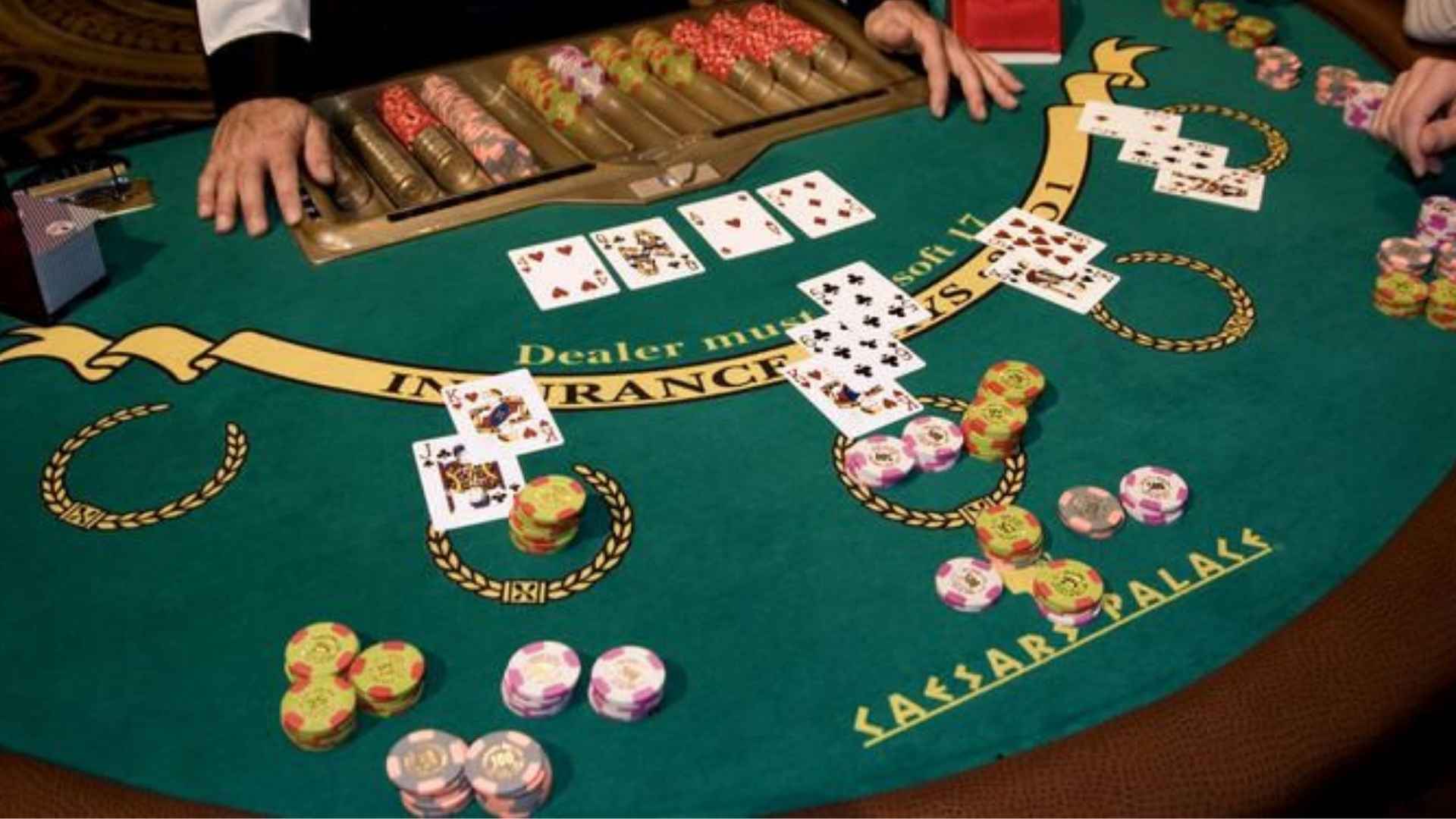
Mastering competitive card games requires much more than simply memorizing mathematical probabilities and hand rankings. True success often hinges on a player's psychological resilience and their capacity to decode the emotional states of their opponents. By focusing on signs of anxiety and hesitation, strategic players can gain an immense advantage over those who only look at the board.
The Psychology of Anxiety at the Table
When the stakes rise during a critical match, the human body naturally enters a heightened state of stress. This psychological pressure triggers involuntary responses that are incredibly difficult for even experienced players to completely conceal. Recognizing these subtle shifts in composure allows observant competitors to accurately gauge the true strength of an opponent's position.
Many amateur players become so consumed by their own cards that they fail to observe the panic unfolding right across the table. Fear of losing chips frequently manifests as rigid postures, shallow breathing, or sudden defensive movements. Learning to read these emotional vulnerabilities transforms the game from a test of luck into a complex psychological battle.
Decoding Physiological Tells
Physical tells serve as direct windows into an opponent's mental state when they are forced to make high-stakes decisions. For example, a player experiencing sudden panic might show increased pulse rates visible in the neck or sudden changes in their betting speed. These mechanical discrepancies often reveal a forced narrative that does not align with their actual holdings.
Consistent observation is key to separating genuine confidence from calculated deception during intense sessions. For individuals looking to practice their observation skills in diverse gaming environments, exploring platforms like M88 indonesia can offer valuable context on player patterns. Recognizing how pressure alters human behavior helps you maintain control over the table dynamics.
Shifting Focus from Probability to Emotion
While understanding mathematical odds remains a fundamental requirement, relying entirely on card metrics makes your strategy highly predictable. Elite competitors excel because they prioritize the human element, treating every betting round as an interaction driven by risk perception. They understand that forcing an opponent into an uncomfortable emotional spot is often worth more than holding a premium hand.
When you learn to target psychological vulnerability instead of board textures, your overall execution becomes significantly more fluid. You begin to realize that a well-timed raise works best against a rival who is visibly playing to survive rather than playing to win. This paradigm shift expands your strategic options and helps maximize your long-term success rates.
Building Your Own Emotional Shield
Achieving top-tier performance also requires a complete detachment from personal feelings during critical betting rounds. If you allow frustration or fear to dictate your choices, observant opponents will quickly decipher your intentions and exploit your weaknesses. Developing a uniform breathing pattern and a steady demeanor ensures that your own vulnerabilities remain fully masked.
Ultimately, modern card games are won by those who can accurately read the room while keeping their own composure entirely bulletproof. By dedicating time to studying human behavior under pressure, you turn emotional awareness into a reliable tool for consistent growth. The ability to decipher panic will always remain one of the most powerful assets at any competitive table.