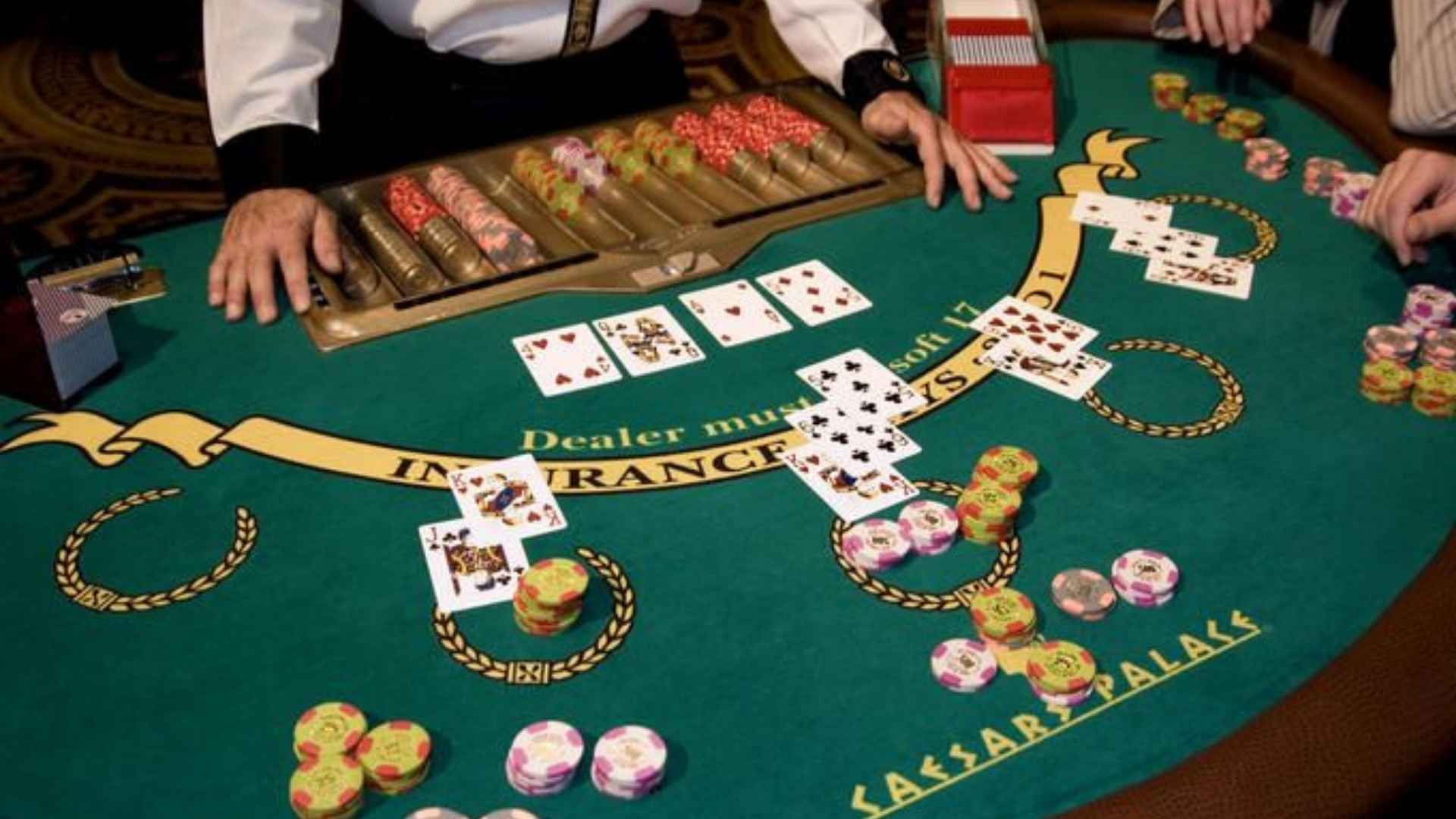
Poker is a dynamic game where the perceived strength of your cards can often lead to costly tactical mistakes. Many players fall into the trap of overvaluing holdings that look incredibly powerful on the surface but are highly vulnerable given the board texture. Learning to temper your enthusiasm and analyze the situation objectively is what separates long-term winners from casual enthusiasts.
The Illusion of Absolute Strength
Holding big pocket pairs or top pair with a strong kicker brings an immediate sense of confidence at the table. However, poker strategy dictates that hand strength is completely relative to how the community cards unfold. A hand that is dominant before the flop can quickly turn into a significant liability when the board displays heavy coordination.
When multiple opponents call your bets on wet boards filled with straight and flush draws, your strong-looking hand loses substantial equity. Failing to recognize this shift in momentum often leads to building massive pots that you are statistically unlikely to win. Recognizing when you are beaten prevents catastrophic chip losses during complex sessions.
Analyzing Board Texture and Ranges
Evaluating the texture of the board is vital before deciding to push maximum value with your holdings. A pair of aces looks fantastic, but if the board shows three cards of the same suit or a highly connected sequence, its true value drops significantly. You must constantly adjust your baseline expectations according to what your opponents could logically hold.
Understanding range distribution helps you deduce whether an opponent's aggressive counter-strategy indicates a premium combination or a bluff. When a tight player raises your continuous bets on a dangerous board, your single pair is rarely the best hand. Utilizing reputable platforms to sharpen your tactical awareness, such as M88 indonesia, allows you to practice identifying these dangerous scenarios safely.
The Importance of Pot Control
Pot control is the ultimate defensive mechanism when navigating marginal or exposed situations with strong-looking hands. Instead of blindly firing three streets of value, incorporating checks into your strategic line can keep the pot manageable. This approach limits your financial exposure when you are ahead but facing a highly volatile runout.
Checking also gives your opponents the opportunity to bluff with much weaker holdings that they would otherwise fold to a bet. By controlling the size of the pot, you reduce the variance that typically plagues overaggressive players. Maintaining this discipline ensures that your profitable sessions remain consistent over the long run.
Adapting to Player Dynamics
Your strategic choices should always factor in the specific behavioral traits of the people sitting across from you. Aggressive players might challenge your premium holdings with wide ranges, making it correct to call down more frequently. Conversely, passive opponents who suddenly show massive aggression are almost certainly holding an unbeatable monster.
Adjusting your responses based on accurate player reads protects your bankroll from unnecessary risks. Walking away from a strong-looking hand requires immense mental fortitude, but it remains a hallmark of professional execution. Cultivating this situational awareness will immediately elevate your competitive performance.